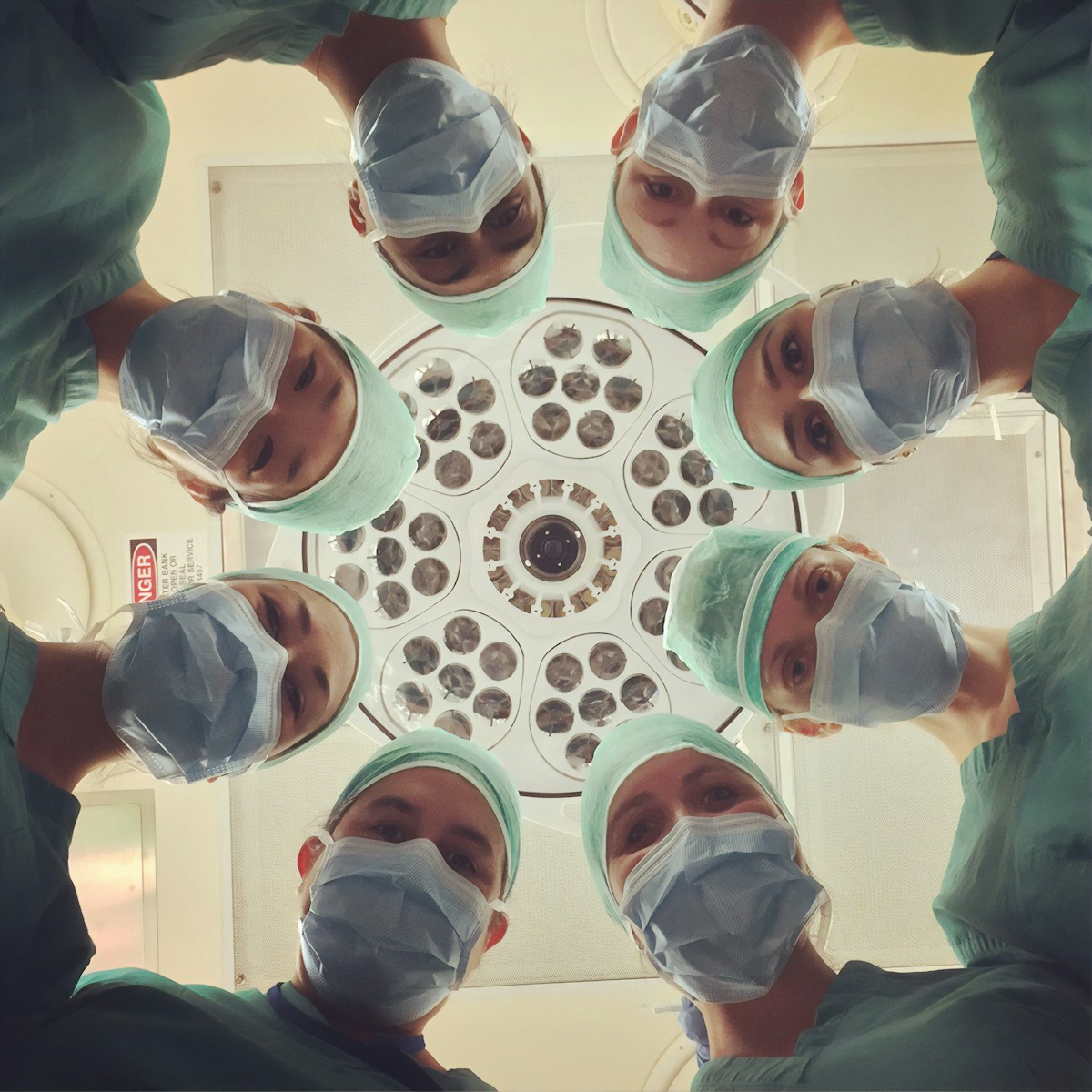
Cataract surgery is one of the most common and successful procedures in modern medicine. With over 15,000 cataract surgeries performed at Netra Jyoti Center, we understand your concerns and questions. This comprehensive guide will walk you through everything you need to know.
What is a Cataract?
A cataract is a clouding of the eye's natural lens, which lies behind the iris and the pupil. This cloudiness affects your vision by scattering light as it passes through the lens, preventing a sharply defined image from reaching your retina.
Key Facts About Cataracts
- Age-related: Most common in people over 60
- Progressive: Develops slowly over months or years
- Treatable: Completely reversible with surgery
- Common: Affects 50% of people by age 75
How Cataracts Develop
The lens of your eye is made mostly of water and protein. As you age, some of the protein may clump together and start to cloud a small area of the lens. This is a cataract. Over time, the cataract may grow larger and cloud more of the lens, making it harder to see.
Interactive Vision Simulator
Drag the slider to see how cataracts affect your vision compared to clear sight.
Symptoms & Diagnosis
Common Symptoms of Cataracts
Cloudy Vision
Blurry or foggy vision, like looking through frosted glass
Light Sensitivity
Difficulty with bright lights and glare
Night Vision Problems
Difficulty driving at night or in low light
Faded Colors
Colors appear yellowed or less vibrant
Frequent Prescription Changes
Need to change glasses more often
Double Vision
Seeing double images in one eye
When to See a Doctor
Contact Netra Jyoti Center if you experience any of these symptoms:
- Difficulty reading or watching TV
- Problems recognizing faces
- Challenges with daily activities like driving
- Increasing discomfort with bright lights
Schedule Your Eye Examination
Early detection is key. Get a comprehensive eye exam today.
Book Appointment Call +91 98392 48611Types of Cataract Surgery
1. Phacoemulsification (Phaco) - Our Primary Method
Phacoemulsification is the gold standard in modern cataract surgery. This advanced technique is what we use at Netra Jyoti Center for 95% of our surgeries.
How Phacoemulsification Works:
- Tiny Incision: A 2-3mm micro-incision is made in the eye
- Ultrasound Probe: The cloudy lens is broken up using ultrasound waves
- Aspiration: The fragmented lens is gently suctioned out
- IOL Implantation: A new artificial lens is inserted through the same small incision
- Self-Sealing: The micro-incision closes naturally without stitches
Benefits of Phaco Surgery
- ✅ Painless procedure with local anesthesia
- ✅ 15-20 minutes surgery time
- ✅ No stitches required
- ✅ Rapid recovery - vision improves within 24 hours
- ✅ Same-day discharge
- ✅ 98% success rate
2. Extracapsular Cataract Extraction (ECCE)
Used in rare cases where the cataract is very hard or advanced. This involves a larger incision and manual removal of the lens.
3. Laser-Assisted Cataract Surgery
While available, studies show no significant advantage over modern phacoemulsification. We prioritize the proven phaco technique.
Choosing Your Intraocular Lens (IOL)
One of the most important decisions in cataract surgery is selecting the right artificial lens (IOL) to replace your natural lens. Your choice depends on your lifestyle and visual needs.
Monofocal IOL
BasicProvides excellent vision at one distance (usually far vision)
Best For:
- Patients comfortable with reading glasses
- Patients prioritizing functional vision
- Simple visual needs
Pros:
- ✅ Standard functional outcome
- ✅ Excellent far vision quality
- ✅ Widely accepted standard solution
- ✅ Proven technology
Cons:
- ❌ Requires glasses for reading
- ❌ Limited depth of focus
Multifocal IOL
PremiumProvides clear vision at multiple distances (near, intermediate, far)
Best For:
- Active lifestyle patients
- Those who want glasses independence
- Computer users and readers
Pros:
- ✅ Reduced dependence on glasses
- ✅ Near + far vision correction
- ✅ Active lifestyle freedom
- ✅ Computer and phone use without glasses
Cons:
- ❌ Advanced technology
- ❌ May have halos around lights initially
- ❌ Adaptation period needed
Toric IOL
CustomCorrects cataracts AND astigmatism in one procedure
Best For:
- Patients with astigmatism
- Those wanting crisp distance vision
- Freedom from cylindrical glasses
Pros:
- ✅ Corrects astigmatism permanently
- ✅ Sharp, clear distance vision
- ✅ No cylindrical glasses needed
- ✅ Excellent visual quality
Cons:
- ❌ Still need reading glasses
- ❌ Custom fabrication
- ❌ Precise alignment required
Dr. Maurya's Recommendation
"I recommend multifocal IOLs for 70% of my patients under 70 years who lead active lives. For patients with astigmatism, toric IOLs provide exceptional clarity. During your consultation, we'll discuss your lifestyle, occupation, and visual goals to select the perfect lens for you."
The Surgery Procedure: Step by Step
Before Surgery (1-2 Weeks Prior)
Pre-Operative Consultation
Comprehensive eye examination including:
- Visual acuity test
- Biometry (eye measurements)
- IOL power calculation
- Health screening
Medication Instructions
You'll receive eye drops to use before surgery and instructions about:
- Which medications to continue/stop
- Fasting requirements (if any)
- What to bring on surgery day
On Surgery Day
Arrival & Preparation (30 min)
- Check-in and paperwork
- Dilating eye drops administered
- Change into surgical gown
- Final vital signs check
Anesthesia (5 min)
- Numbing eye drops applied
- No injections or general anesthesia needed
- You'll be awake but comfortable
- Mild sedation available if needed
The Surgery (15-20 min)
- Eye is cleaned and draped
- Tiny incision made (2-3mm)
- Phacoemulsification of cloudy lens
- New IOL is inserted and positioned
- No stitches needed - self-sealing
Recovery (30-60 min)
- Rest in recovery room
- Eye shield placed
- Post-op instructions provided
- Same-day discharge
What You'll Experience
Pain: None! You'll feel pressure but no pain.
Vision During Surgery: You'll see light and movement but no sharp images.
Duration: Total time at center is about 2-3 hours, surgery itself is 15-20 minutes.
Consciousness: You'll be awake and can communicate with the surgeon.
Recovery & Aftercare
First 24 Hours
Day of Surgery
- ✅ Keep eye shield on
- ✅ Rest at home
- ✅ Start prescribed eye drops
- ✅ Avoid rubbing your eye
- ❌ No driving
- ❌ No heavy lifting
- ❌ No water in eye
Day 1-7
- ✅ Use eye drops as prescribed
- ✅ Wear eye shield while sleeping
- ✅ Light activities OK
- ✅ Can watch TV and read
- ❌ No swimming or hot tubs
- ❌ No strenuous exercise
- ❌ Avoid dusty environments
Week 2-4
- ✅ Gradual return to normal activities
- ✅ Can resume driving (if cleared)
- ✅ Light exercise permitted
- ✅ Continue eye drops as directed
- ❌ Still avoid swimming
- ❌ No eye makeup for 2 weeks
Month 1+
- ✅ Full recovery achieved
- ✅ Final vision stabilized
- ✅ New glasses prescribed if needed
- ✅ All activities resumed
Eye Drop Schedule
| Drop Type | Purpose | Frequency | Duration |
|---|---|---|---|
| Antibiotic | Prevent infection | 4 times daily | 2 weeks |
| Anti-inflammatory | Reduce swelling | 4 times daily | 4 weeks (tapering) |
| Lubricating | Keep eye moist | As needed | 4-6 weeks |
When to Call Us Immediately
- 🚨 Sudden vision loss
- 🚨 Severe pain (more than mild discomfort)
- 🚨 Increasing redness or discharge
- 🚨 Flashes of light or new floaters
- 🚨 Nausea or vomiting
24/7 Emergency Contact: +91 98392 48611
Common Questions
Is cataract surgery safe?
Yes! Cataract surgery is one of the safest and most successful surgeries, with a 98% success rate. Serious complications are extremely rare (less than 1%).
How long does vision improvement take?
Most patients notice improved vision within 24 hours. Full stabilization takes 2-4 weeks. Some initial blurriness or haziness is normal as your eye heals.
Can cataracts come back after surgery?
No. Once removed, cataracts cannot regrow. However, 20-30% of patients develop "posterior capsule opacification" months or years later - a clouding of the membrane behind the IOL. This is easily treated with a quick laser procedure.
Will I need glasses after surgery?
It depends on your IOL choice. With monofocal IOLs, you'll likely need reading glasses. Multifocal IOLs reduce glasses dependence by 80-90%.
Can both eyes be done together?
We typically recommend doing one eye at a time, about 1-2 weeks apart. This allows better healing monitoring and adjustment of the second eye's IOL power if needed.
What is the best age for cataract surgery?
There's no "best age." Surgery is recommended when cataracts interfere with your daily activities. Most patients are 60-80 years old, but we've successfully operated on patients from 40 to 95.
Ready to Restore Your Vision?
Join 15,000+ satisfied patients who have regained crystal-clear vision at Netra Jyoti Center.
Free consultations available. Comprehensive care.